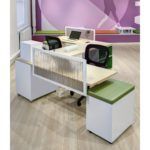
The design and arrangement of office spaces directly influence how employees perform, collaborate, and feel throughout the workday. Office furniture plays a central role in shaping that experience, going far beyond basic functionality. It defines how people interact with their environment, how comfortable they feel during long hours, and how easily they can stay focused on their responsibilities. As companies continue to evolve their workplace strategies, the importance of thoughtful furniture selection becomes increasingly clear. Every desk, chair, and layout decision contributes to the overall atmosphere and effectiveness of a workspace.
Modern workplaces are no longer one-size-fits-all environments. Employees have varying work styles, physical needs, and preferences that must be considered when designing an office. Businesses that recognize this often turn to an experienced office furniture dealer to help create tailored solutions that support both individual productivity and team collaboration. From open-plan layouts to hybrid workstations, furniture now plays a role in enabling flexibility and adaptability. A well-designed office can reduce distractions, improve communication, and create a sense of purpose that carries through daily operations.
In addition to functionality, office furniture contributes to how employees perceive their workplace. A thoughtfully designed environment can communicate professionalism, organization, and a commitment to employee well-being. This perception influences morale, engagement, and even retention over time. Employees who feel comfortable and valued in their workspace are more likely to stay focused and contribute positively to their organization. By understanding how furniture impacts behavior and performance, businesses can make informed decisions that support both immediate productivity and long-term growth.
Enhancing Ergonomics and Comfort
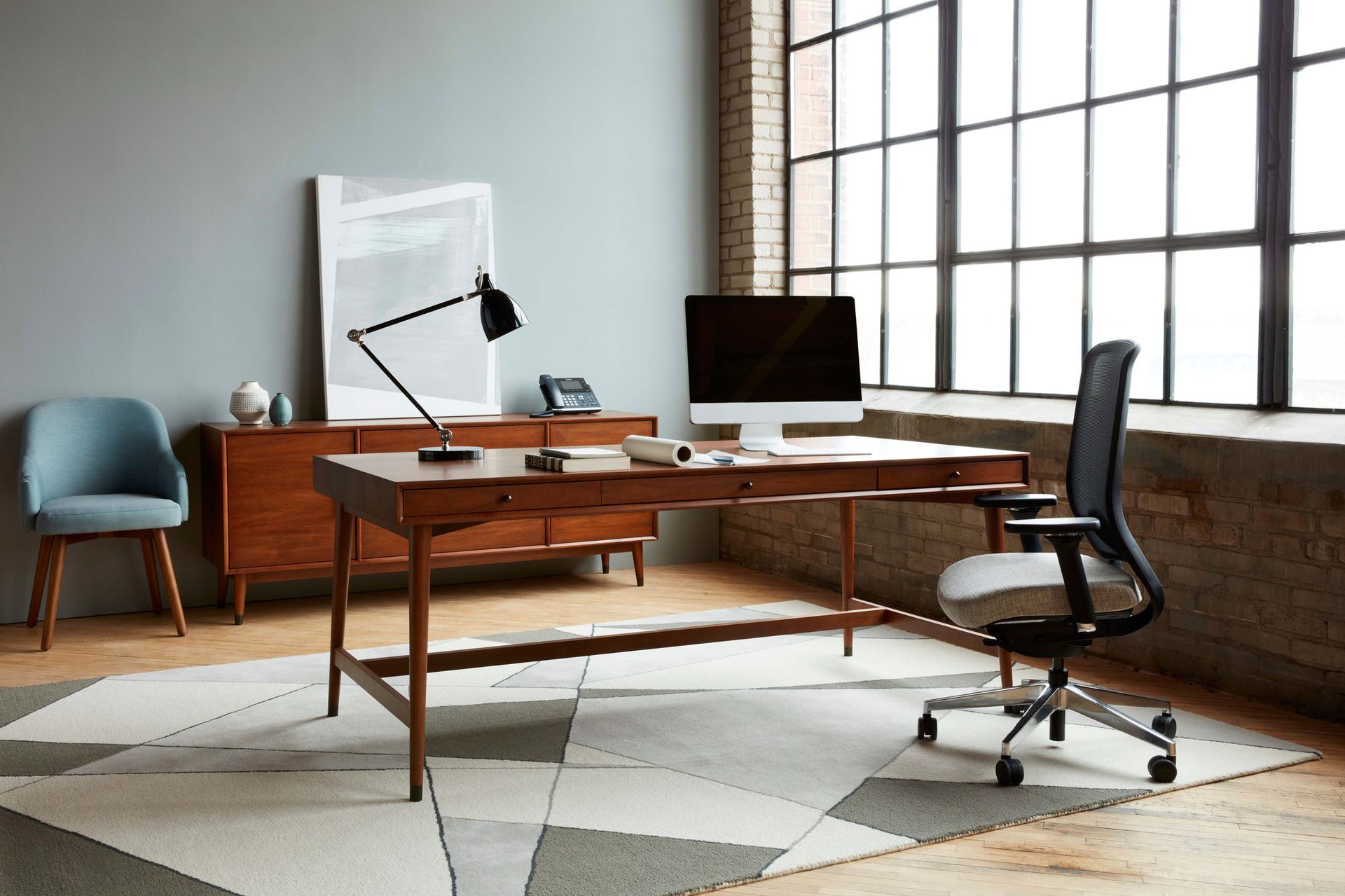
An employee's comfort in the workplace begins with ergonomics, which focuses on designing furniture that supports the body's natural posture and movement. Chairs with adjustable features, lumbar support, and proper cushioning help reduce strain on the back and neck. Employees who remain comfortable throughout the day are less likely to experience fatigue or discomfort that interrupts their workflow. When physical distractions are minimized, it becomes easier to stay focused and maintain consistent productivity levels.
Height-adjustable desks add another layer of flexibility by allowing employees to alternate between sitting and standing positions. This movement encourages better circulation and can reduce the negative effects associated with prolonged sitting. Employees who have the option to change positions during the day often report higher energy levels and improved concentration.
Physical health is closely tied to performance, and furniture plays a key role in supporting both. Poorly designed workstations can contribute to long-term issues such as back pain or repetitive strain injuries, which may lead to increased absenteeism. By contrast, investing in ergonomic solutions through a knowledgeable office furniture dealer can help create a healthier work environment that supports both comfort and efficiency. When employees feel physically supported, they are better equipped to stay engaged and productive.
Shaping Aesthetics and Workplace Environment
The visual appeal of a workspace has a powerful impact on employee mindset and motivation. Color schemes, materials, and overall design choices influence how people feel when they enter a space. Calming tones can promote focus, while brighter colors may stimulate creativity and energy. A well-designed office creates a sense of balance that supports different types of work, from deep concentration to collaborative brainstorming sessions.
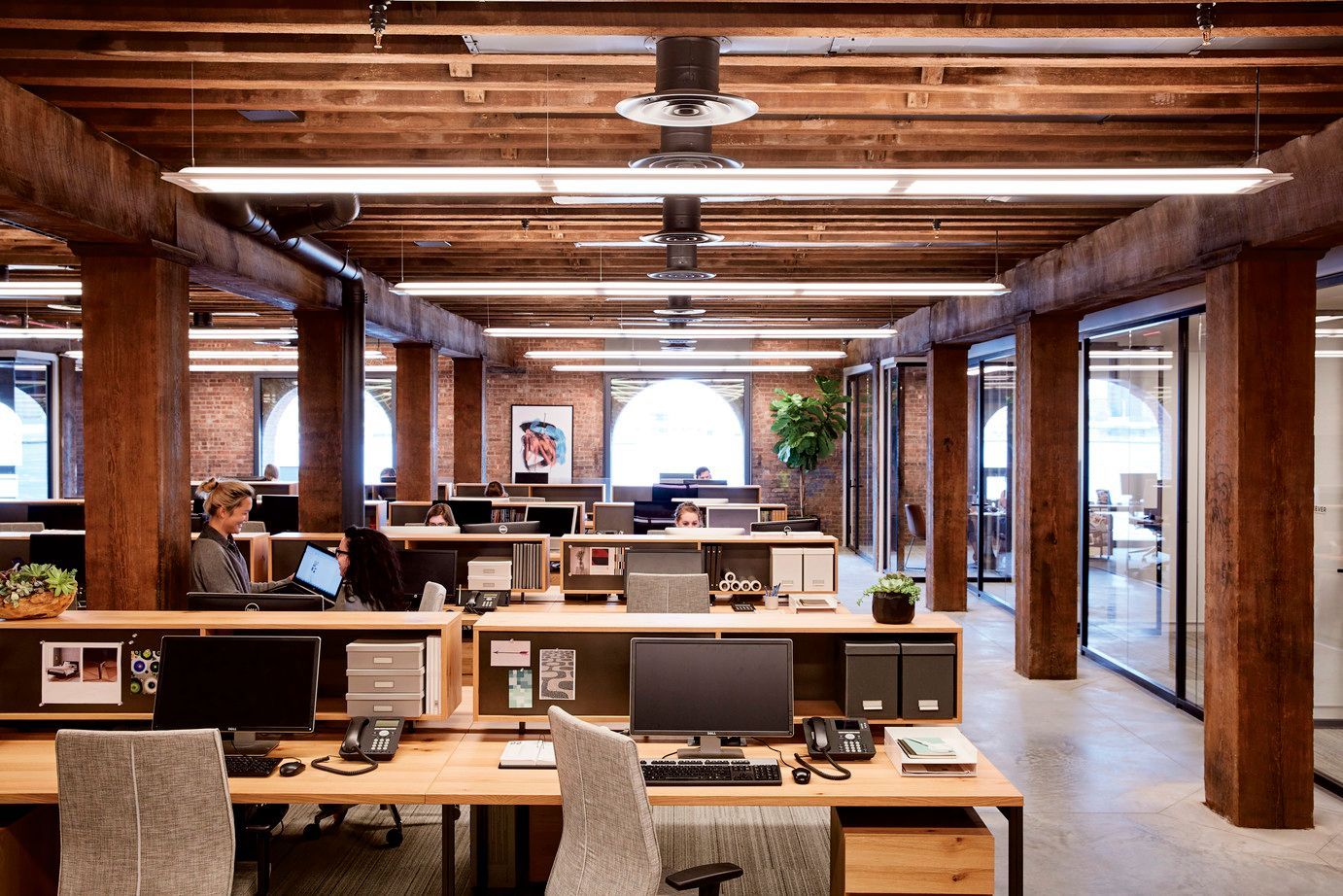
Natural light and open layouts further enhance the workplace environment. Access to daylight has been shown to improve mood and increase overall satisfaction, while open spaces encourage interaction and communication among team members. These elements work together to create an atmosphere that feels both inviting and functional. When employees enjoy their surroundings, they are more likely to remain engaged and motivated throughout the day.
Furniture also contributes to the emotional tone of a workspace. Clean, modern designs paired with comfortable seating can create a welcoming environment that reflects company values. According to IndustrySelect, average reported sales in the U.S. furniture industry total $100 billion. This highlights the scale and variety of options available to businesses looking to refine their office environments. With so many choices, companies can align their furniture selections with their brand identity while creating a space that supports productivity and employee satisfaction.
Optimizing Space Utilization and Efficiency
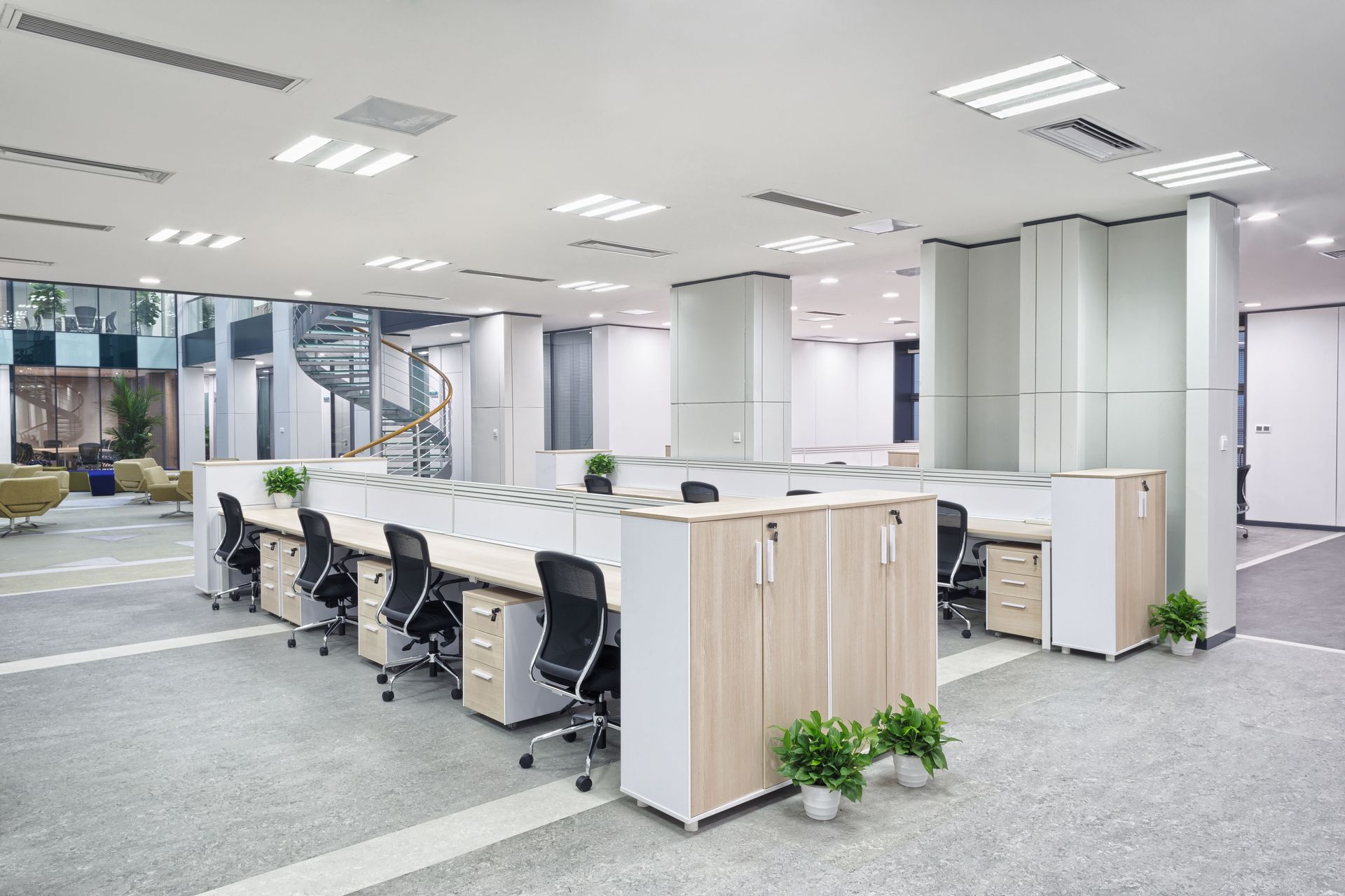
Effective use of space is essential for maintaining an organized and productive workplace. Thoughtful layouts allow employees to move freely, access necessary resources, and collaborate without unnecessary interruptions. When furniture is arranged with purpose, it reduces clutter and creates a smoother workflow. Employees can focus on their tasks without being hindered by poorly designed spaces or inefficient layouts.
Modular furniture solutions have become increasingly popular due to their adaptability. These pieces can be rearranged or expanded as business needs change, making them ideal for growing teams or evolving workflows. This flexibility allows companies to adjust their spaces without major disruptions, supporting both short-term projects and long-term goals. A skilled office furniture dealer can help identify modular options that align with specific operational needs.
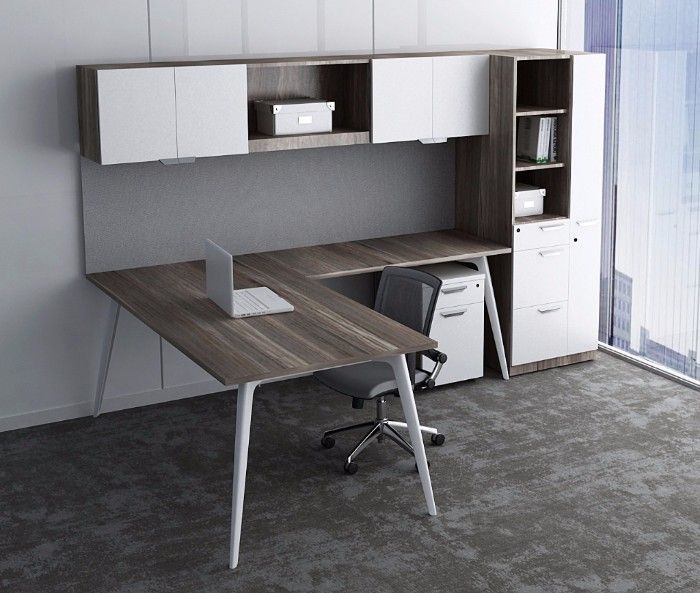
Maximizing smaller office spaces requires creativity and strategic planning. Multi-functional furniture, such as desks with built-in storage or collaborative tables that double as meeting areas, helps make the most of limited square footage. By combining functionality with smart design, businesses can create efficient environments that support productivity without feeling cramped. This approach allows even compact offices to operate at a high level of performance.
Supporting Collaboration and Employee Engagement
Office furniture plays a meaningful role in how employees interact with one another and engage with their work. Collaborative spaces, such as shared tables, lounge seating, and meeting pods, create opportunities for communication and idea-sharing. When employees have access to spaces designed for teamwork, it becomes easier to exchange ideas, solve problems, and move projects forward efficiently. These environments help break down barriers that can exist in more rigid office layouts, encouraging a more connected and communicative workplace.
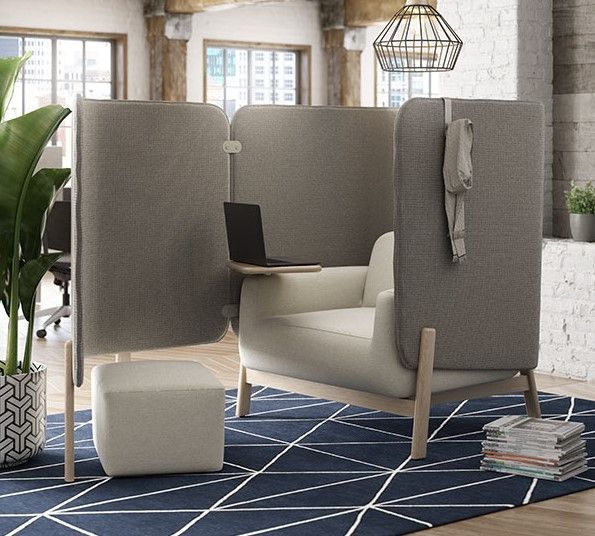
At the same time, balance is essential. While collaboration is important, employees also need access to quiet areas where they can focus without interruption. Furniture that supports both open collaboration and individual work—such as acoustic panels, private workstations, and flexible seating arrangements—helps create a well-rounded environment. An experienced office furniture dealer can assist in selecting pieces that support this balance, allowing businesses to design spaces that accommodate a variety of work styles without sacrificing productivity.
Office furniture has a far-reaching impact on employee productivity, influencing everything from physical comfort to workplace atmosphere and spatial efficiency. Each element—whether it is an ergonomic chair, a thoughtfully chosen color palette, or a flexible desk system—contributes to how employees experience their work environment. When these components are carefully selected and arranged, they create a space that supports focus, collaboration, and overall well-being.
Beyond daily performance, the right furniture choices can influence long-term business outcomes. Workspaces that promote comfort and efficiency often see improvements in employee satisfaction, reduced absenteeism, and stronger team dynamics. These benefits can translate into higher levels of output and a more positive organizational culture. Companies that invest in their physical environment are also better positioned to adapt to changing work trends, including hybrid schedules and evolving team structures.
Working with a knowledgeable
office furniture dealer gives businesses access to solutions that align with both current needs and future growth. From selecting ergonomic seating to planning adaptable layouts, these decisions shape how employees interact with their environment every day. If your goal is to create a workplace that supports productivity, encourages collaboration, and reflects your company's values, now is the time to evaluate your office setup and make meaningful improvements that will benefit your team for years to come.